

The Equestrian Mindset
Navigating the Outside Noise: Building an Unshakable Equestrian Mindset
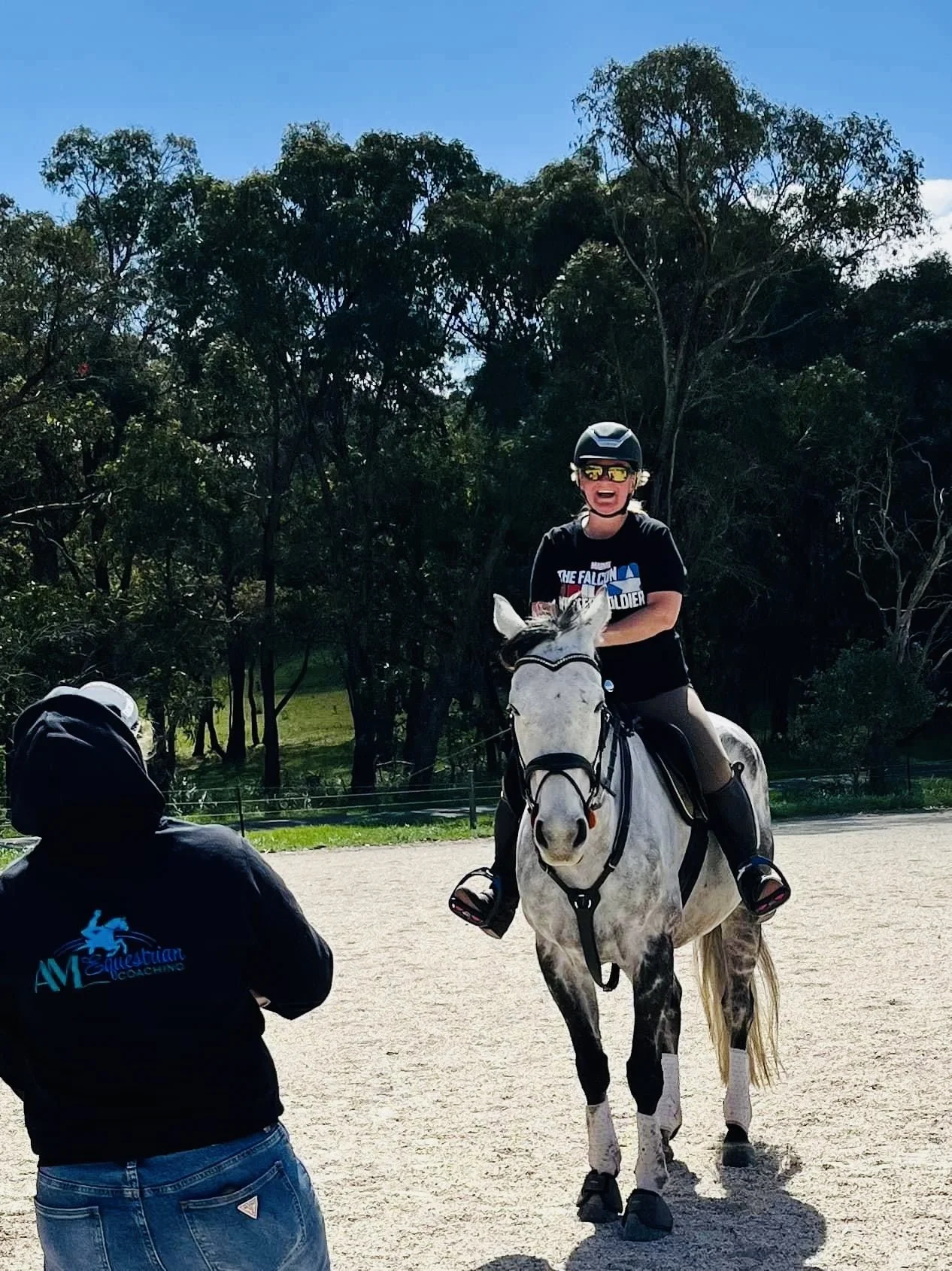
If you have been in the equestrian industry long enough, you have undoubtedly experienced it: the unsolicited advice, the critical glances from the sidelines, or the overwhelming pressure of living up to everyone else's standards.
The equestrian community is a rich, complex tapestry made up of a vast collection of human personalities. It’s an environment built around a deeply emotional sport—one where humans are intensely invested in the care, training, welfare, and success of their horses. Add in the reality that equestrianism is exceptionally expensive—financially, emotionally, and in time—and it’s no surprise that emotions run high.
Riders of every level, from grassroots enthusiasts to seasoned professionals, can find their self-belief clouded by external influences. We wrestle with the expectations of those around us, rigid industry standards, and our own inner landscape of goals, fears, beliefs, and insecurities.
Filtering Advice and Finding Your True North
So how do we protect our mindset from the noise?
First, we need management techniques to deal with unwanted input—whether it comes from "wannabe experts" or legitimate professionals who convey their message so negatively that it leaves you wanting to give up rather than feeling inspired to improve.
It is vital to remember one fundamental truth: there is no single "correct" method for training a horse. The only component of horsemanship that should be universal is kindness—even if the exact definition of that word is constantly debated.
The relationship between you and your horse is completely unique to you as an individual pair. You know your horse better than anyone else ever could. While it is wonderful and necessary to seek guidance from professionals, it is entirely okay—and completely acceptable—if a particular expert’s philosophy or delivery doesn't align with you. If a approach leaves you feeling defeated, you have every right to look elsewhere for someone who can help you solve your training hurdles constructively.
Retraining the Nervous System & Overcoming Anxiety
For riders who struggle with anxiety and self-doubt, the battle often takes place within our own bodies. When stress strikes—whether entering the arena or attempting a challenging movement—try using techniques to disrupt your pattern behavior in the moment.
By catching the fear response as it begins and interrupting it (through intentional breathwork, focal shifts, or grounding exercises), you can gradually retrain your nervous system's response to tense situations. Is it easy? No. But like any skill in horsemanship, with practice, it is entirely achievable.
The "Qualification" Test: Setting Boundaries Around Your Energy
Allowing people to tear you down when they don't truly know you or your horse is equivalent to caring about a stranger shouting abuse at you in the street. You wouldn't take their words to heart, so why give that weight to opinionated onlookers?
Instead of worrying about what others think, flip the script and hold people accountable. Set a boundary—a strict entrance exam—for anyone you allow into your field of influence. If someone is going to influence how you ride or train, they must qualify to do so.
A great framework for your qualification test includes:
Experience: They must be more experienced and proven than you are in the area you're developing.
Kindness: Their approach to both horse and rider must be rooted in true empathy.
Communication & Emotional Intelligence: They must be exceptional, constructive communicators who understand human and equine emotion.
Respect for Your Goals: They must recognize and honor that your definition of success may look entirely different from theirs.
If someone doesn't meet these criteria, laugh off the noise and don't grant them a single nanosecond of your energy.
Controlling the Controllables
At the end of the day, we can only control our own actions and emotions. We cannot control how others behave or attempt to influence us, but we have total control over how we respond.
One of the most effective ways to enjoy your riding and insulate yourself from outside noise is having a clear plan—a structured system to follow that aligns with your individual needs and allows you to progress at a pace you find achievable.
When heading to competitions or large outings, keep your expectations realistic. Never forget that this sport involves gaining the trust and partnership of large, herd-oriented flight animals who never asked to be sport horses. If we want our horses to behave at competition or large outings in a reliable and competitive manner, they firstly need to be behaving that way at home. Once that’s established in their comfort zone, the ‘training’ to achieve that at outings must be implemented too. Some horses will be completely relaxed at new places but others will take more time, more work on the connection between the horse and rider and strong routines to establish confidence in unfamiliar places.
Measuring your worth or success solely by ribbon placings can be soul-destroying. Instead, shift your focus: measure success by small, individual, micro-goals that have nothing to do with judges' scores or podiums. Celebrating those quiet, meaningful breakthroughs is the most productive way to maintain a positive mindset and continue enjoying this wildly diverse, challenging, and deeply rewarding sport.